

 русский
 Español
 Deutsch
 عربى
 italiano
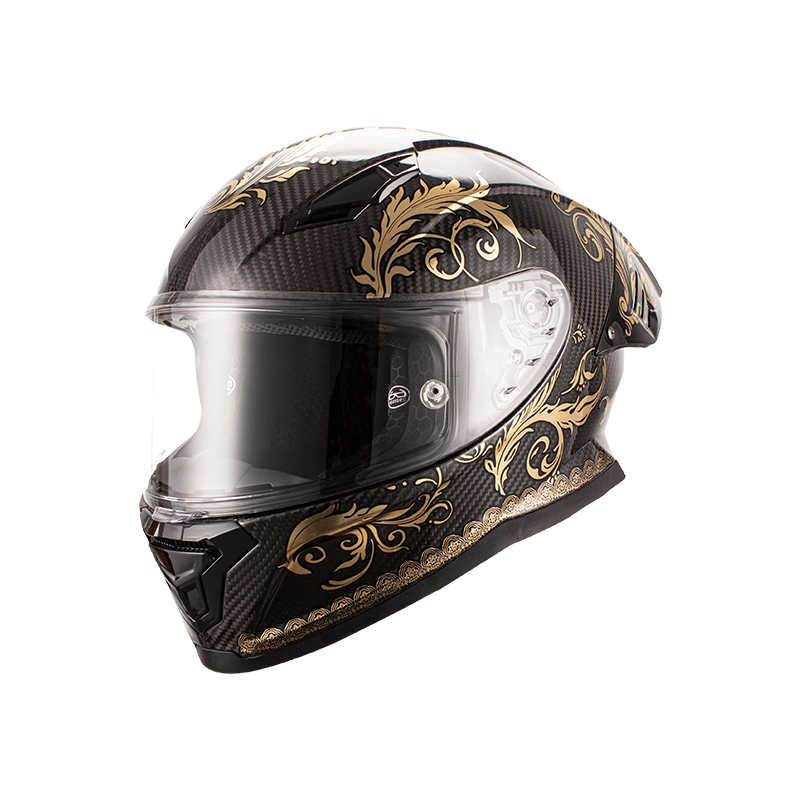
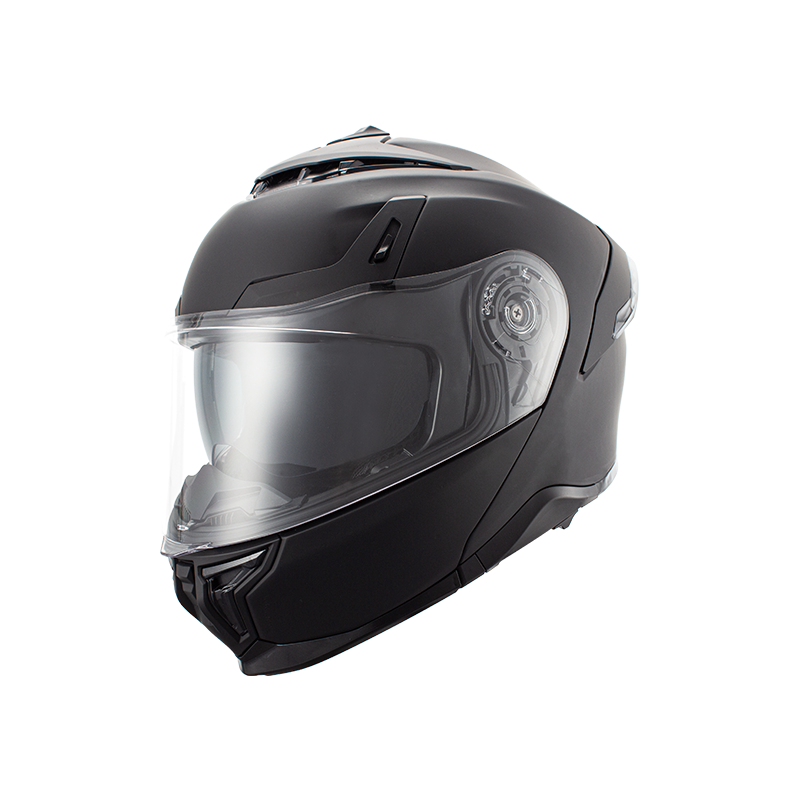
A motorcycle helmet needs to provide appropriate protection without becoming unnecessarily tiring to wear. During daily commuting or longer rides, the way a helmet distributes its weight can influence neck comfort, head movement, and the rider's overall experience. For overseas distributors and motorcycle equipment buyers, lightweight construction is therefore an important product development consideration. However, reducing weight should never be treated as an isolated objective. A well-designed Full Face Motorcycle Helmet needs to balance structural requirements, material selection, component layout, and manufacturing consistency.
Weight Distribution Matters as Much as Total Weight
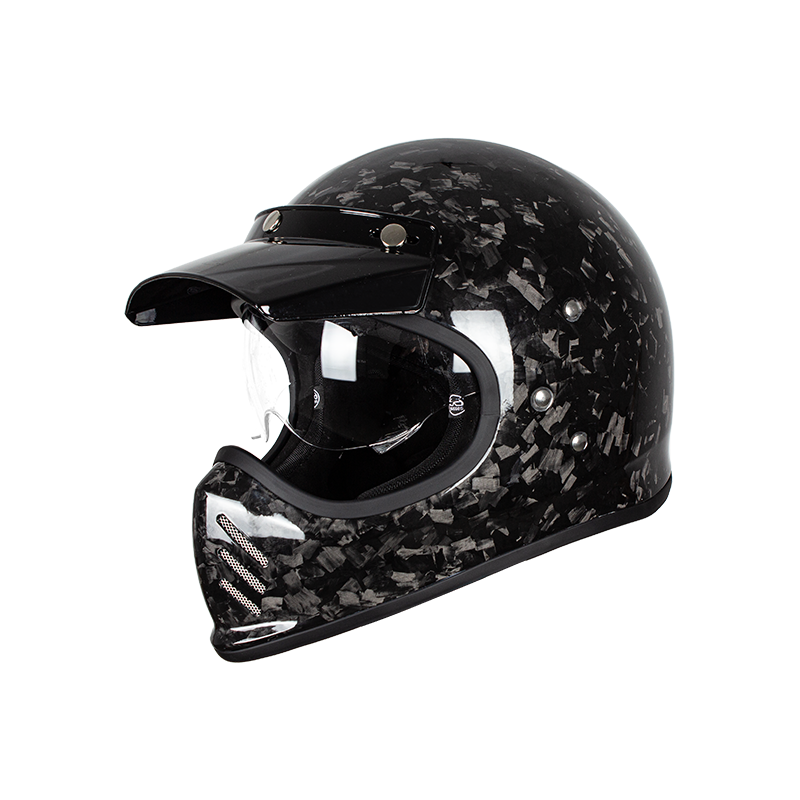
Two helmets with similar overall weights may feel different when worn. The position of the center of gravity, the shape of the shell, and the arrangement of internal components can all affect how the weight is distributed.
If too much weight is concentrated toward the front, the helmet may feel less balanced during extended use. Manufacturers should consider the relationship between shell geometry, visor mechanisms, internal padding, and other components during product development.
For buyers, evaluating how a helmet feels when worn can provide useful information beyond comparing the weight figures listed in a product specification.
Material Selection Requires More Than Weight Comparison
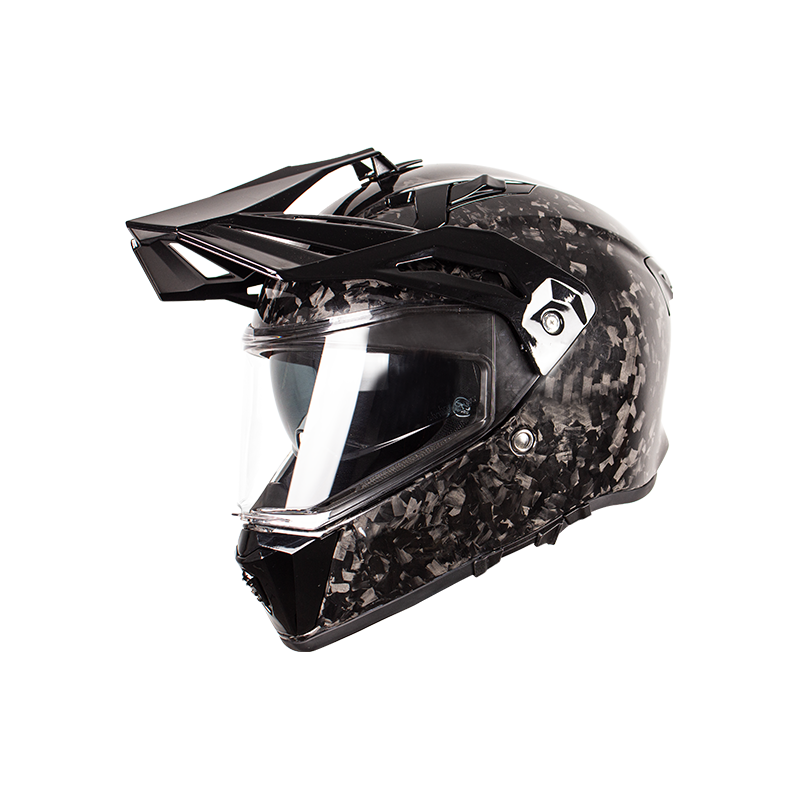
Helmet shells can be produced using different materials and construction methods. Each option involves considerations such as structural performance, manufacturing processes, surface finishing, cost, and the requirements of the intended market.
A lighter material is not automatically the most suitable choice for every product. Manufacturers need to evaluate whether the selected material and shell construction can meet the applicable safety requirements while supporting the intended product positioning.
When comparing suppliers, buyers should request clear material specifications and model-specific compliance information rather than relying on general descriptions such as lightweight or reinforced.
Internal Space Should Be Designed Around the Rider
The internal structure affects how the helmet sits on the head and how comfortably it can be worn. Shell dimensions, EPS liner geometry, cheek pads, and comfort padding need to work together.
Reducing the size of internal components simply to save weight may create problems with fit or comfort. A more practical approach is to coordinate the shell and liner design so that the helmet maintains appropriate internal space and a stable wearing position.
For manufacturers, this requires attention to component dimensions and assembly accuracy throughout product development.
Accessories Can Add Unexpected Weight
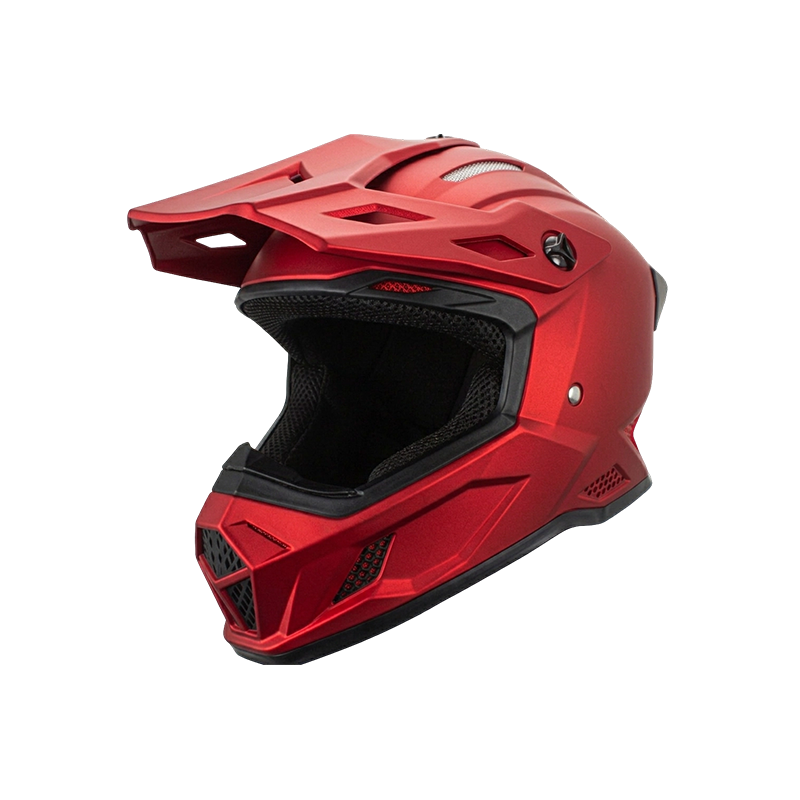
A full-face helmet may include several components, such as a visor, ventilation controls, internal sun visor, communication-system compatibility features, or decorative elements. Although each component may seem relatively small, their combined weight and placement can influence the finished product.
Buyers developing a customized model should consider which features are genuinely important to the target market. A commuter-focused product may require a different accessory combination from a helmet intended for touring customers.
A focused configuration can help manufacturers manage product complexity while giving distributors a clearer product range.
Aerodynamic Shape Also Influences Riding Comfort
At road speeds, airflow around the helmet can affect perceived stability and noise. Shell shape, visor position, rear contours, and attached accessories all influence how air moves around the product.
Aerodynamic performance should be evaluated as part of the overall design rather than judged only by appearance. Manufacturers can consider airflow behavior during development and assess whether design changes create unwanted effects on balance or usability.
For buyers, this is particularly relevant when selecting models for customers who frequently ride on highways or travel longer distances.
Production Consistency Protects the Intended Design
A helmet that performs well as a sample still needs to maintain consistent construction during volume production. Differences in shell dimensions, liner placement, component fitting, and finishing can affect the final product.
Manufacturers should establish suitable inspection procedures for key components and assembly stages. Buyers can discuss sample approval, production specifications, and batch inspection arrangements before confirming larger orders.
This helps ensure that the delivered products remain aligned with the approved design.
Develop Products Around the Complete Riding Experience
Lightweight construction is most valuable when it works together with fit, balance, structural performance, and practical features. For overseas buyers, selecting a Full Face Motorcycle Helmet should involve more than comparing product weight or appearance. Discussing material options, component configurations, target riding conditions, and applicable safety requirements with a manufacturer can help establish a more suitable product specification. By considering these elements together, manufacturers can develop helmet designs that address real riding needs while supporting consistent production and market positioning.