

 русский
 Español
 Deutsch
 عربى
 italiano
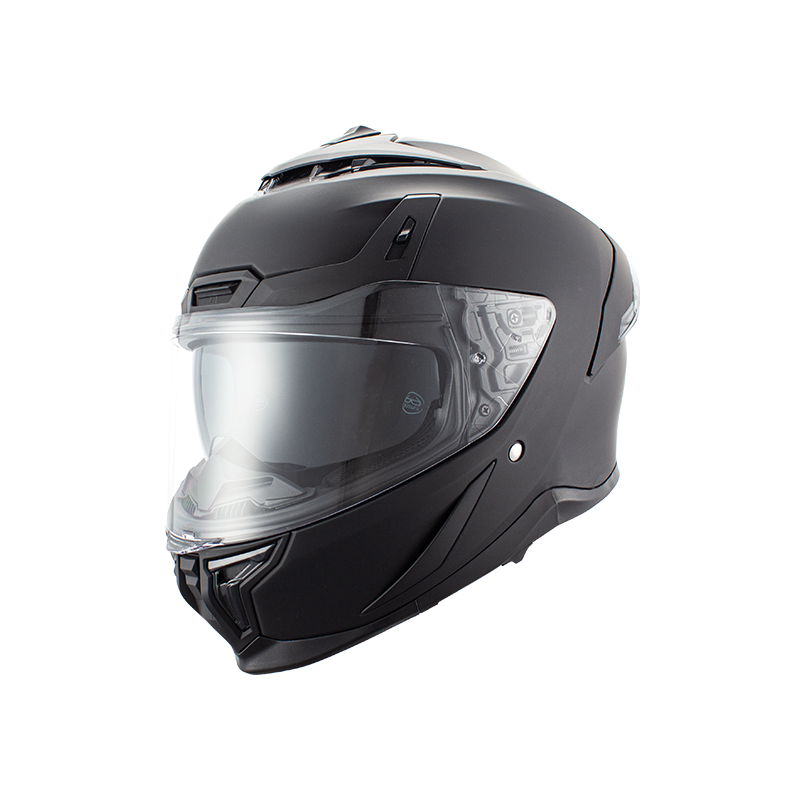
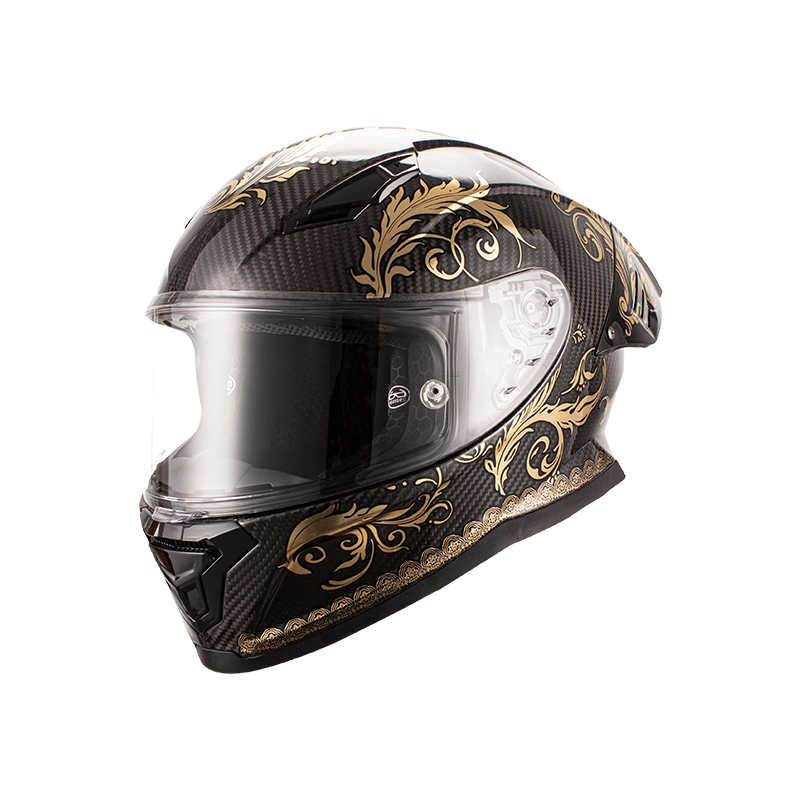
A motorcycle helmet is exposed to regular use, sweat, dust, changing weather, and repeated handling. Even when its main structure remains in good condition, smaller components may gradually require cleaning, adjustment, or replacement. For retailers and distributors, this creates an important product consideration: a helmet should not only meet the rider's needs when new but also remain practical to maintain throughout its service life. When evaluating a Full Face Motorcycle Helmet, buyers should look beyond its initial appearance and consider how easily its components can be inspected, cleaned, and replaced.
Removable Liners Make Routine Cleaning More Practical
The interior padding comes into direct contact with the rider's skin and absorbs sweat during regular use. Over time, this can lead to odor buildup and make the helmet less comfortable if the interior is difficult to clean.
Removable and washable cheek pads and comfort liners can simplify routine care. Buyers should check how these components attach to the helmet, whether they can be removed without excessive force, and whether replacement padding is available in compatible sizes.
From a manufacturing perspective, liner design needs to balance a secure fit with convenient removal. Poorly positioned fasteners or inconsistent padding dimensions can make maintenance more difficult for end users.
Visor Replacement Should Be Straightforward
The visor is exposed to wind, dust, insects, and frequent cleaning. Scratches or other forms of wear may eventually affect visibility, making replacement an important consideration.
A practical visor mechanism should allow users to remove and reinstall the shield according to the manufacturer's instructions. Buyers can evaluate several details:
- Whether the visor release mechanism is easy to understand
- Whether replacement shields are available for the specific model
- Whether the visor remains properly aligned after installation
- Whether compatible accessories can be sourced separately
- Whether the locking mechanism operates consistently
For distributors, clear compatibility information can reduce confusion when customers request replacement parts.
Inspect the Chin Strap and Buckle Design
The retention system is a functional component that deserves attention during product evaluation. Riders regularly fasten and release the buckle, so the mechanism should be easy to operate while maintaining the required secure fit.
Buyers should examine stitching, strap positioning, buckle operation, and the condition of the attachment points. Manufacturers should also maintain consistent assembly procedures and conduct appropriate inspections rather than treating the strap as a minor accessory.
A clear maintenance and inspection guide can help users recognize when a component needs professional attention or replacement.
Surface Finishes Influence Everyday Care
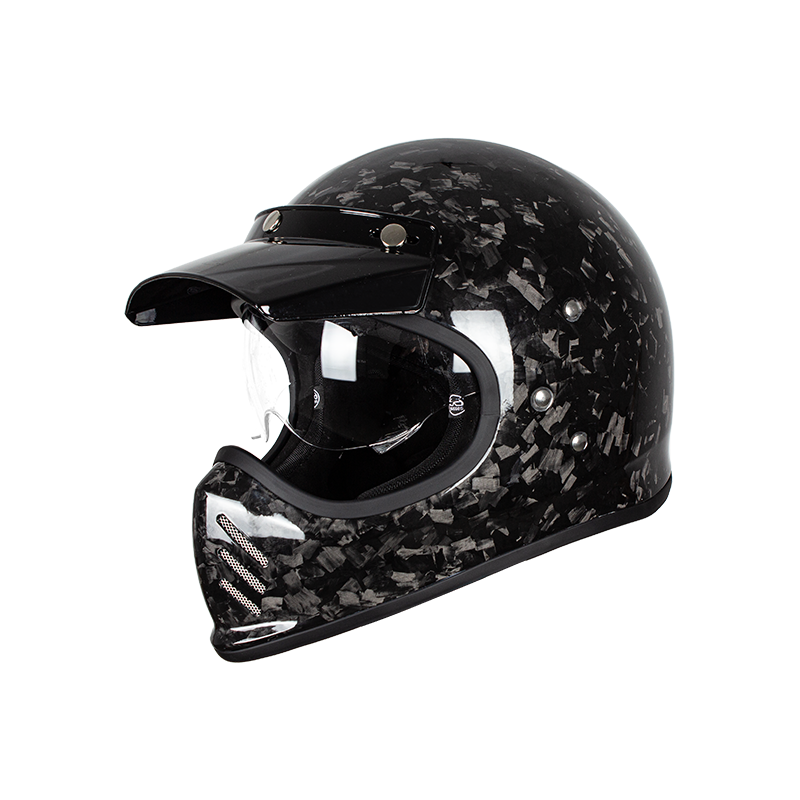
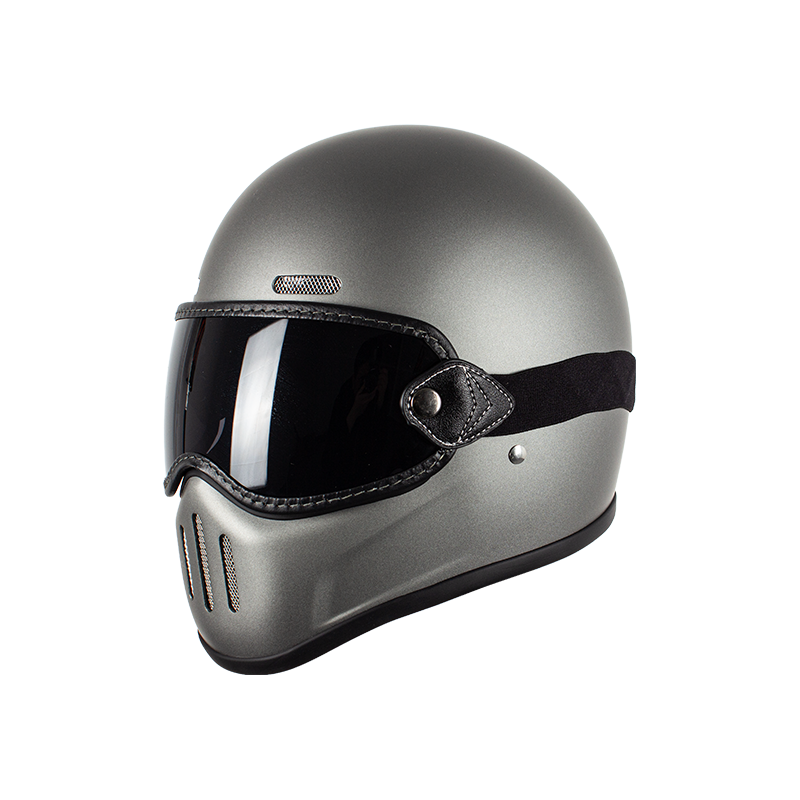
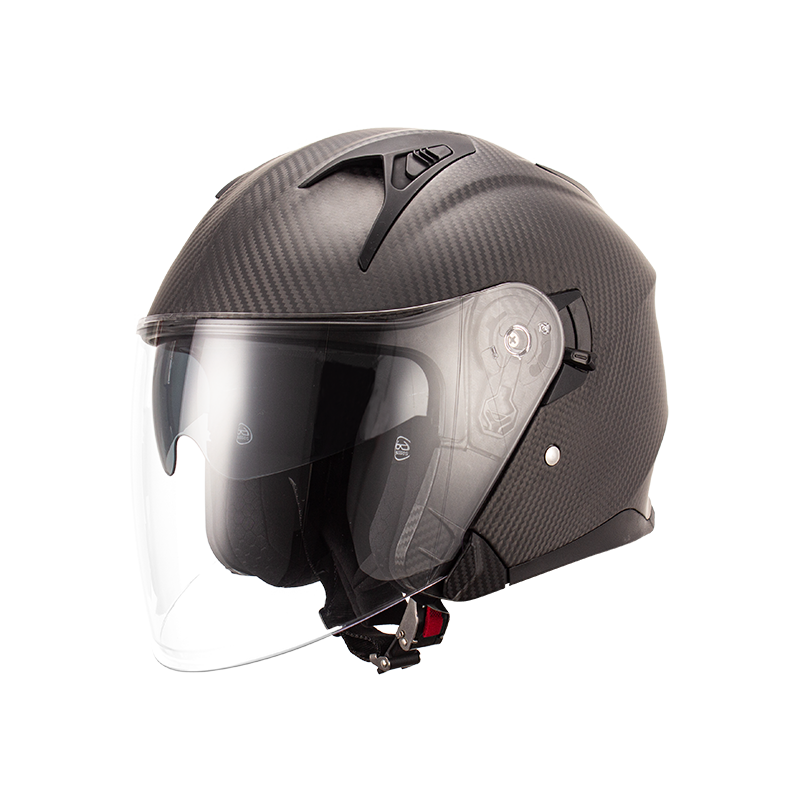
Helmet graphics and exterior finishes contribute to product appearance, but they also affect cleaning requirements. Different surface treatments may respond differently to cleaning products, friction, and repeated handling.
Manufacturers should provide suitable care instructions for the actual finish used. Buyers can also request information about recommended cleaning methods so that retailers can give customers practical guidance.
For product development, the goal is to select finishes that suit the intended market while considering appearance, production consistency, and routine care.
Spare Parts Availability Supports After-Sales Service
A distributor's responsibility does not necessarily end when a helmet is sold. Customers may later need visors, internal padding, fasteners, or other compatible components.
Before placing a bulk order, buyers should discuss spare-part availability with the supplier. Useful questions include:
- Which components can be ordered separately?
- Are replacement parts compatible across different production batches?
- Can the supplier provide clear model identification?
- Are installation instructions available?
- How are spare parts packaged and supplied?
These details help distributors plan after-sales support and manage replacement requests more efficiently.
Packaging Should Protect Components During Distribution
Helmets may pass through several handling stages before reaching the final customer. The packaging should therefore protect the shell, visor, and included accessories during storage and transportation.
Buyers should check whether the helmet is properly secured inside its packaging and whether spare visors or accessories are protected from scratches and pressure. Packaging requirements should also be discussed early when developing private-label products or preparing shipments for different retail channels.
Consider Maintenance When Choosing a Manufacturer
A motorcycle helmet is a complete assembly of structural materials, interior components, retention systems, and accessories. Its long-term usability depends not only on the initial product design but also on component compatibility, assembly consistency, and access to replacement parts.
As a Full Face Motorcycle Helmet manufacturer, considering maintenance during product development can help create products that are easier for distributors to support after sale. Overseas buyers should discuss liner construction, visor replacement, spare-part supply, and packaging before confirming their orders. A product supported by practical maintenance arrangements can help retailers provide a clearer ownership experience and build stronger customer confidence.