

 русский
 Español
 Deutsch
 عربى
عربى italiano
The global motorcycle helmet market is undergoing significant transformation, with smart connectivity and lightweight design emerging as two dominant industry trends.
According to market research reports, the motorcycle connected helmet market is expected to grow from USD 900.49 million in 2025 to USD 1.21 billion by 2031, representing a CAGR of 5.2%. These helmets integrate sensors and communication technologies, providing riders with safety warnings and navigation assistance.
On the technology front, advanced features such as augmented reality (AR) displays, rearview cameras, and vehicle-to-everything (V2X) communication are being integrated into helmet products. However, high production costs remain a major obstacle to market expansion, as premium pricing limits mass-market adoption.
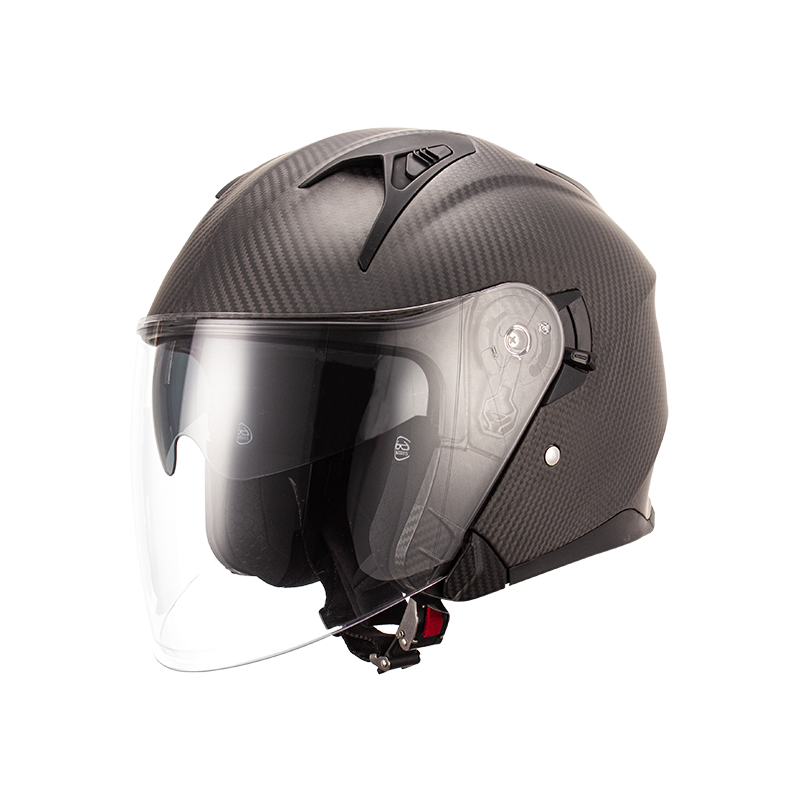
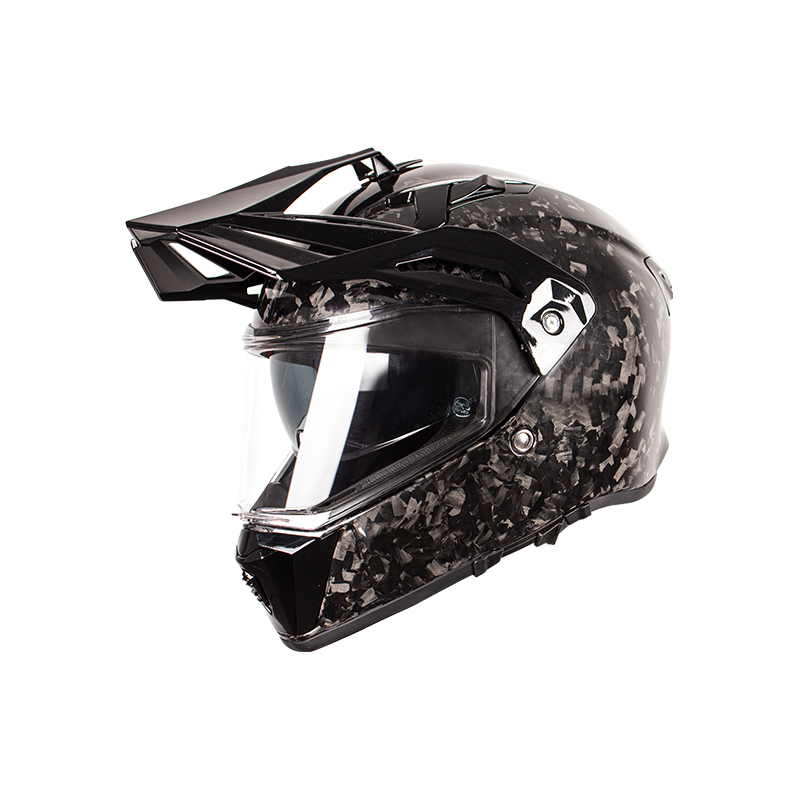
On the other hand, the lightweight motorcycle helmet market is also growing rapidly, driven by the adoption of carbon fiber and advanced composite materials. Riders' increasing demands for comfort, ventilation systems, and noise reduction are pushing manufacturers to continuously optimize product designs.
Industry analysts note that as safety standards upgrade and consumer demands diversify, high-quality helmets that combine certified compliance, comfort, and smart features will gain a competitive edge in the future market.