

 русский
 Español
 Deutsch
 عربى
 italiano
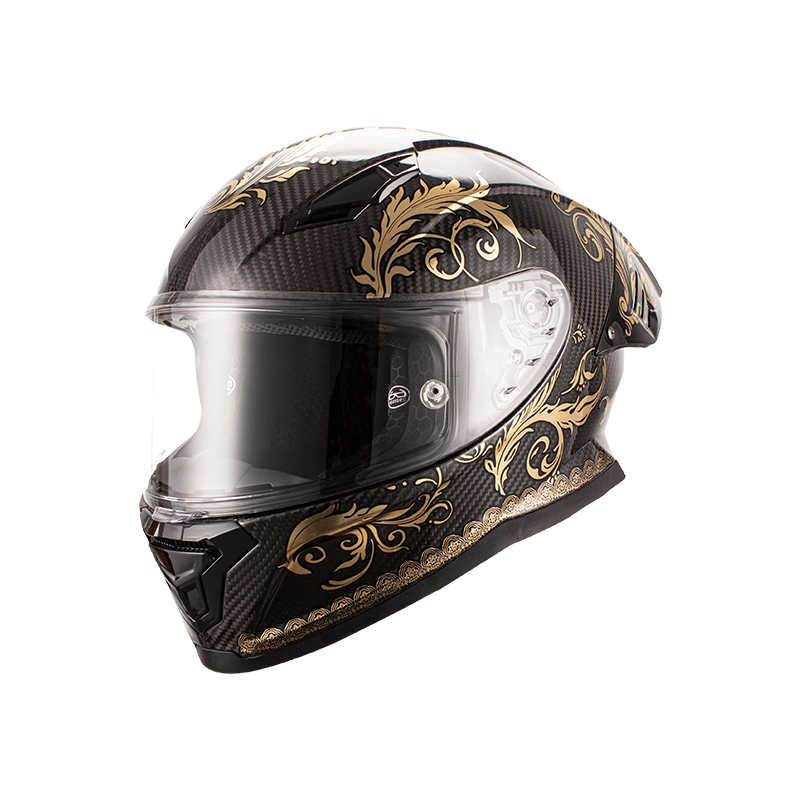
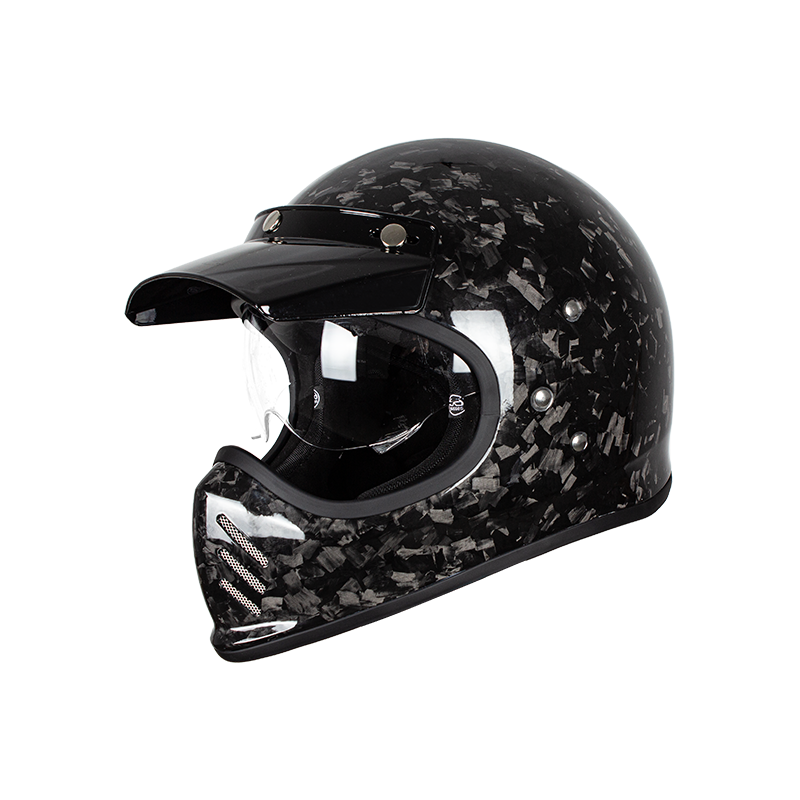
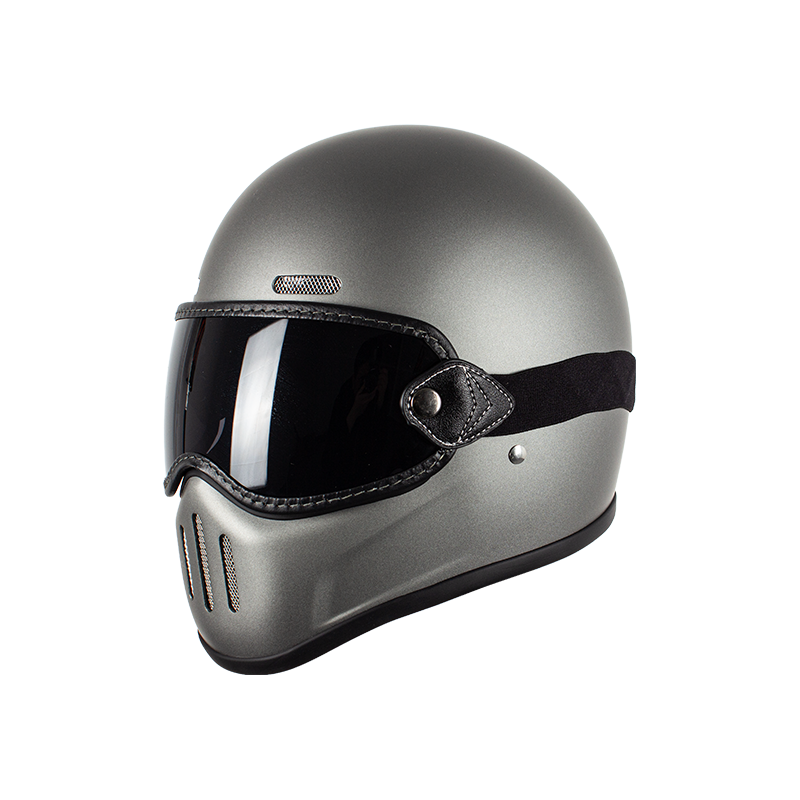
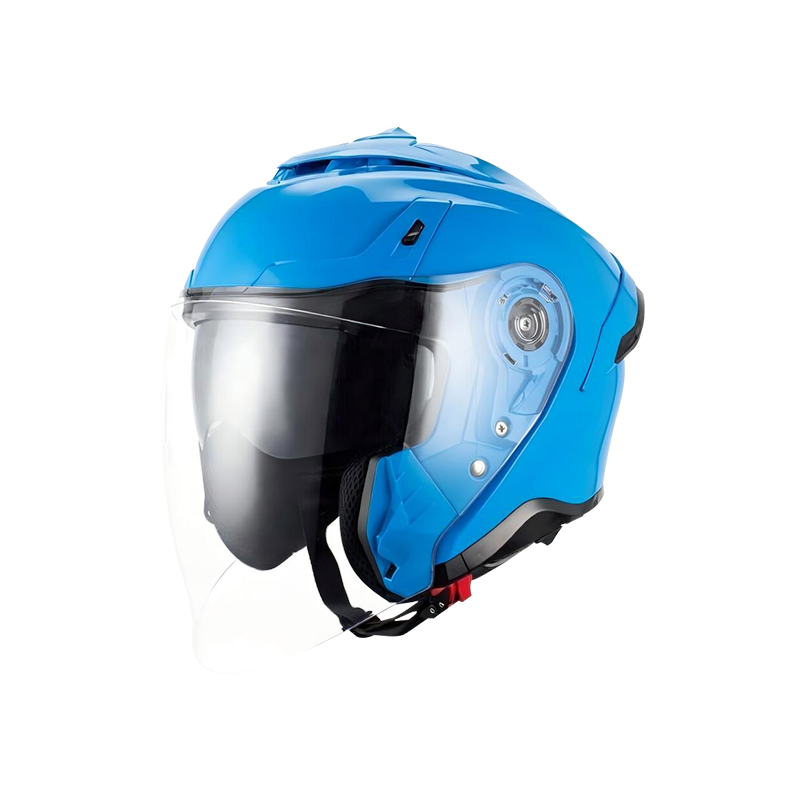
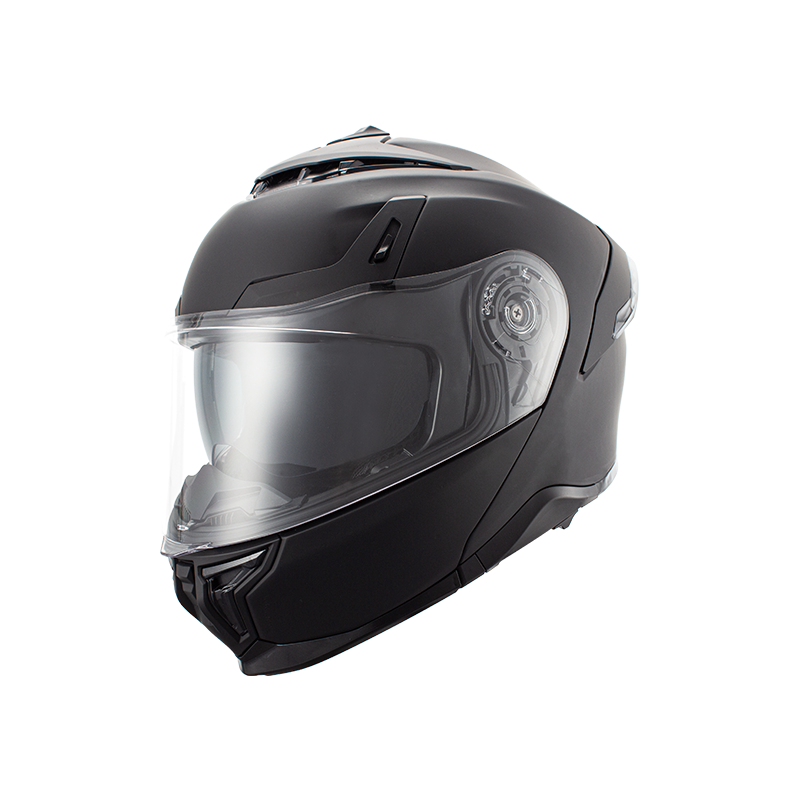
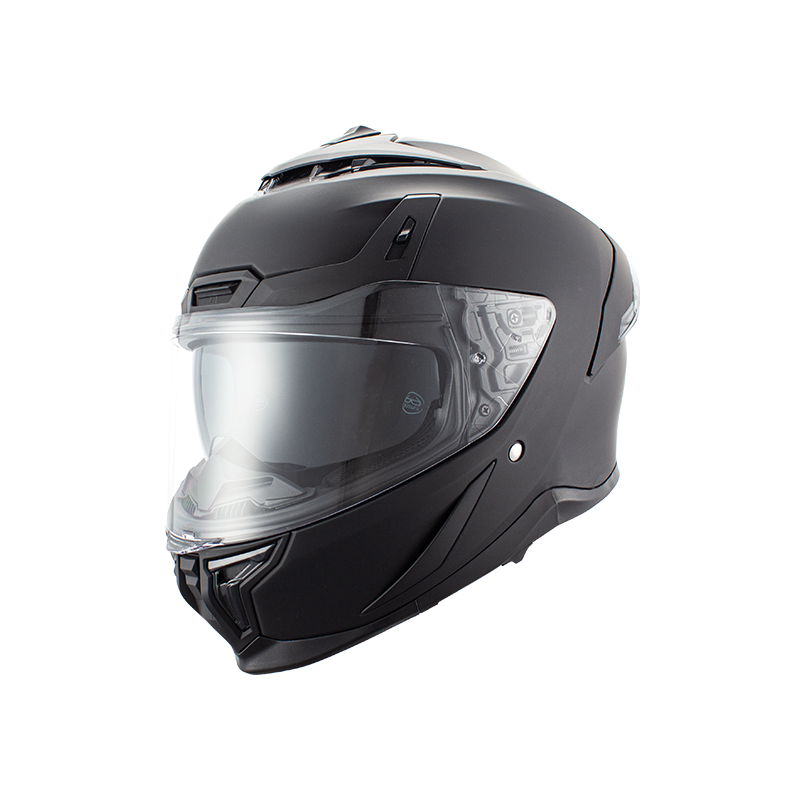
As motorcycle riders pay closer attention to protective equipment, a helmet is increasingly evaluated by more than its appearance or price. Buyers want to understand how well it fits, how the ventilation system performs, whether the visor is practical for different riding conditions, and which safety requirements it meets. For distributors, motorcycle brands, and equipment importers, selecting a suitable Full Face Motorcycle Helmet means balancing rider protection, comfort, product design, and market requirements. Manufacturers also need to consider how these elements work together during product development and production.
Start With the Applicable Safety Standards
Safety certification should be one of the first points to review when evaluating a motorcycle helmet. Different destination markets may require different standards, so buyers should identify the regulations applicable to their sales regions before confirming an order.
A manufacturer should be able to clarify the certification status of the intended model and provide relevant documentation for review. Buyers should also check whether the certification applies to the exact helmet configuration being purchased, including its shell design and other specified components.
This step helps prevent confusion between general product descriptions and verified compliance information.
Evaluate the Shell Structure and Overall Design
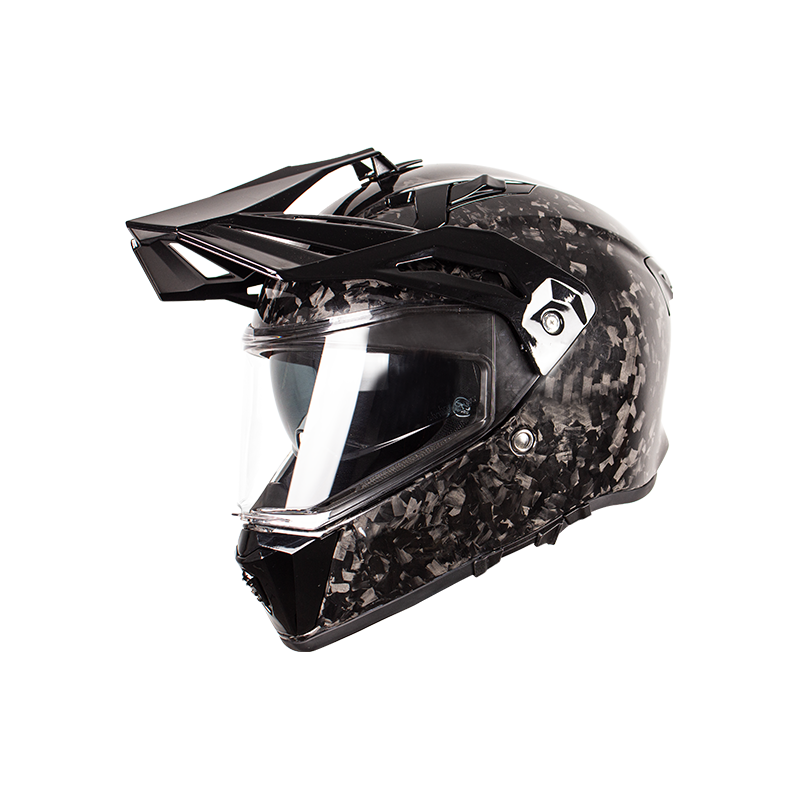
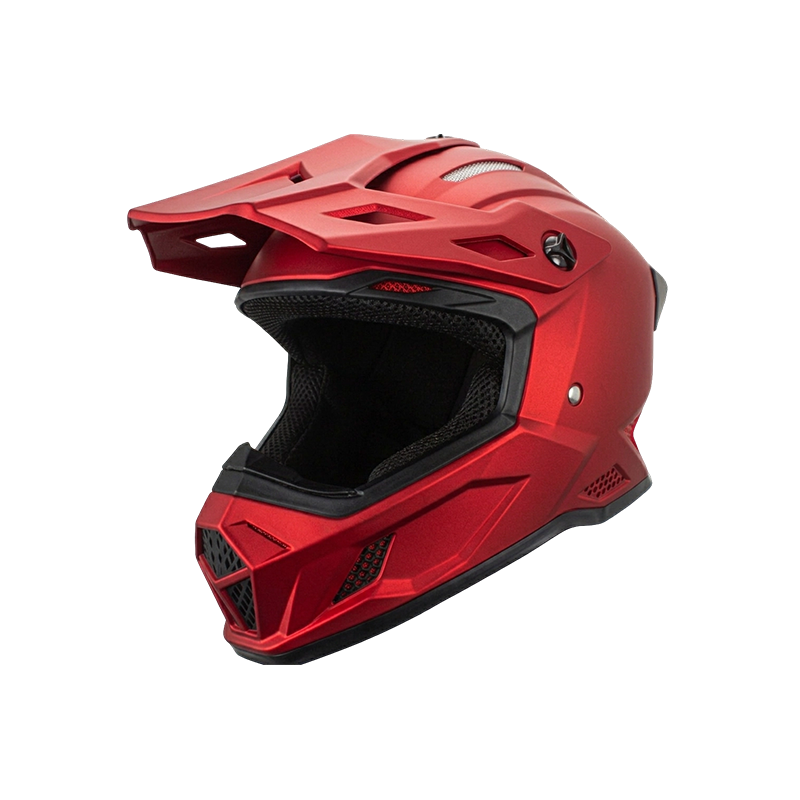
The outer shell is an important part of a full-face helmet's protective structure. Its material, shape, manufacturing process, and connection with the inner components all deserve attention.
When comparing different models, procurement teams can review:
- Shell material and construction method
- Available helmet sizes and size range
- Weight and overall shape
- Edge finishing and component assembly
- Compatibility between the shell and interior padding
These details influence product positioning as well as the practical requirements of manufacturing. A well-planned design should consider protection-related requirements without overlooking the helmet's fit and everyday usability.
Ventilation Can Influence Riding Comfort
Heat buildup inside a helmet can become uncomfortable, particularly during warm-weather riding or slow-moving traffic. This makes ventilation an important consideration for riders and buyers evaluating full-face motorcycle helmets.
Air intake openings, internal air channels, and exhaust vents should work as part of a coordinated system. Their placement can influence how air moves through the helmet, while the internal padding also affects the rider's experience.
Manufacturers should assess ventilation arrangements alongside shell structure and interior design. Buyers can compare models by checking whether the vents are accessible, easy to operate, and suitable for the intended riding environment.
Check the Visor and Visibility Features
The visor affects both visibility and convenience. Riders may encounter changing light conditions, road dust, rain, and airflow during daily commuting or longer journeys.
When reviewing a helmet, buyers should consider visor clarity, opening and closing movement, locking design, replacement availability, and compatibility with additional visor options. Anti-fog solutions may also be relevant for markets where temperature changes or humid conditions are common.
For distributors, replacement visor availability is worth discussing before placing a bulk order. It can influence after-sales support and the long-term usability of the product range.
Fit and Interior Padding Deserve Equal Attention
A helmet that does not fit properly may become uncomfortable during extended use. Head shape, size selection, cheek padding, liner thickness, and fastening adjustment all contribute to the wearing experience.
Manufacturers should develop interior configurations that correspond with the available size range and intended market. Buyers should request size charts and evaluate samples rather than relying on exterior dimensions alone.
Removable or washable liners can also be considered when developing products for riders who use their helmets frequently. These details can help brands distinguish models designed for different customer preferences.
Consider Noise, Weight, and Daily Practicality
Wind noise and helmet weight are common concerns among riders, especially those who commute regularly or travel longer distances. However, these factors are influenced by several design elements, including shell shape, fit, sealing, and ventilation openings.
A useful product evaluation should therefore consider the complete riding experience rather than focusing on one specification. Sample testing can help buyers assess whether the helmet feels balanced, whether the fastening system is convenient, and whether the visor and ventilation controls are easy to operate while stationary.
Work With a Manufacturer That Understands Market Requirements
For overseas buyers, product selection also involves consistency, customization, and repeat-order planning. Shell colors, graphics, interior materials, visor options, packaging, and size combinations may need to be adjusted for different market segments.
A Full Face Motorcycle Helmet manufacturer should be prepared to discuss these requirements alongside safety documentation, product specifications, sample evaluation, and production quality control. By reviewing the complete design rather than choosing a helmet based on appearance alone, distributors and motorcycle brands can develop a product range that better reflects rider expectations and the requirements of their target markets.